Shipping Estimate
USA
- USA
- CAN
- USA
- CAN
Ships within 48 hours · Estimated delivery Jul 7 - Jul 12
 Promo Codes Available:
For Your Every Summer RSVP, with Code: SUMMER15
Description
cardboard plant indoor Zamia furfuracea – Cardboard CycadZamia furfuracea Zamia furfuracea is a slow growing cycad in Zamiaceae with rigid, pinnate leaves that feel firm and cardboard like. Its low rosette growth comes from a storage base, and the thick leaflets hold a dry, slightly rough surface. The plant forms a symmetrical rosette of stiff leaves, each divided into thick leaflets with a firm texture. Its slow growth, sturdy foliage and strong reaction to wet roots make drainage and careful watering more
Zamia furfuracea
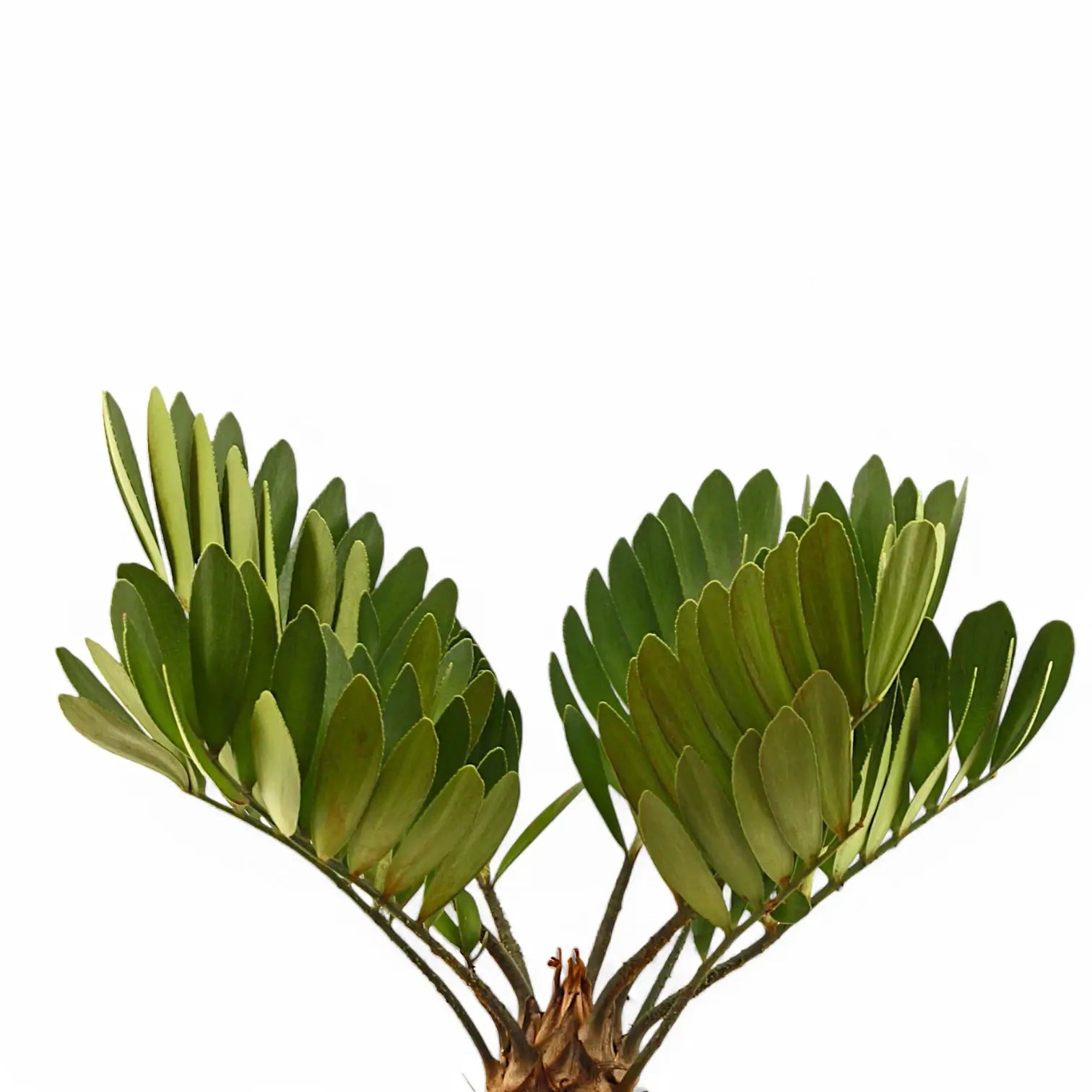
Zamia furfuracea is a slow-growing cycad in Zamiaceae with rigid, pinnate leaves that feel firm and cardboard-like. Its low rosette growth comes from a storage base, and the thick leaflets hold a dry, slightly rough surface.
The plant forms a symmetrical rosette of stiff leaves, each divided into thick leaflets with a firm texture. Its slow growth, sturdy foliage and strong reaction to wet roots make drainage and careful watering more important than frequent feeding or constant moisture.
Cycad structure of Zamia furfuracea
- Plant type: Slow-growing cycad in the family Zamiaceae.
- Leaves: Pinnate leaves have thick, rigid leaflets with a cardboard-like texture.
- Growth habit: Rosette-like, spreading growth rises from a storage root or caudex-like base.
- Texture: Firm foliage has a dry, leathery surface rather than soft leaves.
- Root care: Bright light, open substrate and dry-down between waterings protect the storage base.
- Toxicity: All plant parts are unsafe if ingested, with seeds especially dangerous if female cones develop.
Slow flush growth of Zamia furfuracea
Zamia furfuracea is native to Mexico, especially the Veracruz/Gulf region. Although its native biome is tropical, the thick storage base and rigid leaves still require an airy potting mix rather than constantly wet soil. In cultivation, the root system can be slow to recover after damage, so stable conditions matter.
New leaves usually emerge in flushes from the centre, soft at first and firmer once expanded. Older leaves can stay attractive for a long time, which is why damaged leaflets remain visible until they are replaced by new growth. A steady position, careful watering and low root disturbance reduce stress around the storage base.
Pot care for Zamia furfuracea
- Light: Provide bright indirect light to partial sun after acclimation. Very dim conditions slow new leaf production.
- Watering: Water when the pot has dried well. Wet roots and a damp storage base can lead to rot before leaf symptoms appear.
- Substrate: Use a free-draining mix with mineral material such as pumice, lava, perlite or coarse sand.
- Pot choice: Keep the plant in a pot with drainage holes and avoid oversized containers. Excess substrate holds moisture around slow-growing roots.
- Humidity: Average indoor humidity is enough. The firm leaf surface does not need high-humidity care.
- Temperature: Keep warm and protect from cold, especially when the mix is still moist.
- Fertilising: Feed lightly during active growth. Heavy fertilising is unnecessary for a slow cycad and can cause salt buildup.
- Repotting: Repot only when needed and keep root disturbance low. Damaged cycad roots can take a long time to recover.
- Pruning: Remove only fully yellow or damaged leaves at the base. Cutting healthy leaves does not make the plant push new growth faster.
- Semi-hydroponics: Mineral-heavy culture can work only if the base stays aerated and never sits in stagnant water.
Common issues with Zamia furfuracea
- Yellowing leaves: Often linked to wet roots, abrupt stress or natural ageing of older leaves.
- Rot at the base: Usually caused by dense soil, poor drainage or watering before the pot has dried.
- Damaged leaflets: Mechanical damage remains visible on the rigid leaflets until older leaves are replaced.
- Cycad scale: White or pale scale insects can settle on leaflets and stems. Treat early and inspect both sides of the leaves.
- Slow regrowth: Recovery after root loss, pest damage or heavy pruning is slow because new leaves emerge in flushes.
Safety notes for Zamia furfuracea
Zamia furfuracea is toxic to humans and pets if ingested. Seeds are especially hazardous if the plant ever produces cones, so keep all plant parts away from children, cats, dogs and other animals.
Name background for Zamia furfuracea
Zamia furfuracea is an accepted cycad species in Zamiaceae. The epithet furfuracea refers to a bran-like or scaly surface, matching the textured leaf and stem surfaces of this cycad.
Shipping Notes
- Free Standard Shipping on $100+ Orders to the USA.
- Except Preorder products are shipped in 48 hours.
- Delivery to the USA:
- Standard Shipping : 3-10 business days
- If time is of the essence, please consider selecting expedited delivery for faster service.
Exchange/Return Notes
- We offer a 30-day return/exchange service after receiving.
- Final sale items are not eligible for returns or exchanges.
- To process your return/exchange, please contact us at [email protected]
- Please click here for more details>>> Return & Exchange Policy