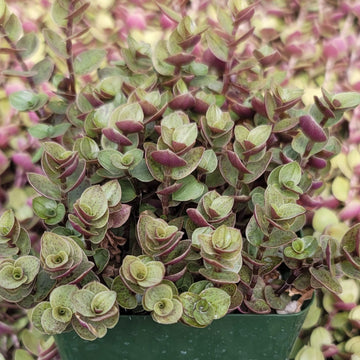
variegated succulent vine Buy 'Creeping Inch Plant - Callisia repens Gold' Care and Info
SKU: 56729627166
variegated succulent vine

variegated succulent vine Buy 'Creeping Inch Plant - Callisia repens Gold' Care and Info

Sale price$26.42 Regular price$29.36
Save 10%

Shipping Estimate
USA
  • USA
  • CAN

Ships within 48 hours · Estimated delivery Jul 7 - Jul 12

Promo Codes Available:

For Your Every Summer RSVP, with Code: SUMMER15

Description

variegated succulent vine Buy 'Creeping Inch Plant - Callisia repens Gold' Care and InfoIntroducing the stunning Creeping inch plant, known as Callisia repens Gold, which is a miniature trailing plant that adds a touch of vibrant gold hues to any indoor or outdoor space. Belonging to the Bolivian Wandering Jew family, this variety of Callisia repens is also known as bolivian jew or turtle vine. Native to South and Central America, the creeping inch plant is a popular choice for hanging baskets, terrariums, or ground cover in gardens. The

Introducing the stunning Creeping inch plant, known as Callisia repens Gold, which is a miniature trailing plant that adds a touch of vibrant gold hues to any indoor or outdoor space. Belonging to the Bolivian Wandering Jew family, this variety of Callisia repens is also known as bolivian jew or turtle vine.

Native to South and Central America, the creeping inch plant is a popular choice for hanging baskets, terrariums, or ground cover in gardens.

The Callisia repens turtle vine has other varieties like the Pink Lady (Callisia repens variegated) and Pink Panther (Tradescantia Callisia repens), which are known for their beautiful pink foliage and trailing growth habit. 

This creeping inch plant Callisia repens is characterized by its bright golden-yellow foliage, which stands out beautifully against its trailing stems. 

The stunning golden oval-shaped leaves contrasted with a pink or purple underside are a true show-stopper. It contrasts well with its purple stems.

Callisia repens planthas a typical bushy growth with trailing habit. It is a miniature plant that grows between 4 to 12 inches tall. 

The flowers of the creeping inch plant bloom during summer and fall with small white flowers. These flowers add a delicate touch to the creeping plant's overall appearance. So, along with its vibrant golden leaves, you can enjoy the occasional blooms of this lovely plant. 

When and How to Water Your Creeping Inch Plant

Like other Callisia repens varieties, the creeping inch plant does not need too much water. The best way of Callisia repens  gold is to water it adequately when the soil is completely dry. It's important to strike the right balance to keep this beautiful creeping inch plant happy and healthy. 

As a general rule, it's best to keep the soil evenly moist but not overly saturated. Overwatering can lead to root rot, so it's crucial to allow the top inch of soil to dry out between waterings. Gently press your finger into the soil to measure the moisture content. It's time to water if it seems dry. 

In the spring and summer, during the drowing season, your creeping inch plant Callisia repens gold prefers consistent moisture. During warmer months, you may need to water more frequently, while in cooler months, you can reduce the frequency.

Light Requirements - Where to Place Your Creeping Inch Plant 

If you are growing Callisia repens indoors, placing it near a window in partial shade or in a well-lit room would be ideal. An essential aspect of creeping inch plant care is that it should be placed in a place where it is exposed to bright but indirect or filtered sunlight. It thrives in a spot with moderate to high light levels, but direct sunlight should be avoided as it can scorch the leaves. 

When grown outdoors, the creeping inch plant can handle partial shade to full sun, but it prefers bright, indirect light or dappled sunlight.

Find a spot that receives 4-6 hours of morning or late afternoon sun, while providing some shade during the hottest part of the day. This will help prevent the leaves from burning or drying out.

If you notice that your creeping inch Callisia repens leaves start to lose their vibrant golden color or become pale, it may be an indication that it needs more light. On the other hand, if the leaves start to turn brown or develop sunburn spots, they may be getting too much direct sunlight. 

Pro Tip

Callisia repens is suited for outdoor cultivation only in specific regions like southern Florida and Hawaii, where the warm, tropical climate matches its needs. In all other regions, it thrives best as a charming indoor houseplant.

Additionally, make sure to rotate your Callisia repens occasionally to ensure even growth and prevent it from leaning toward the light source. These creeping inch plant care tips will help to maintain its compact and trailing form. Providing this Callisia repens gold with the right amount of light will contribute to its overall health and enhance the beauty of its golden foliage. 

Optimal Soil & Fertilizer Needs 

To keep your creeping inch plant Callisia repens Gold happy, you'll want to provide it with well-draining soil and the right kind of fertilizer. It is best to use a succulent potting mix for the Callisia repens plant. Planting them in ordinary soil will result in compacted roots, stunted growth, and most likely root rot. Instead, make or buy a well-draining potting mix, or ideally use our specialized succulent potting mix that contains 5 natural substrates and mycorrhizae to promote the development of a strong root system that helps your succulent to thrive. 

When it comes to fertilizing your creeping inch plant, you can use a balanced (5-10-5), water-soluble natural NPK fertilizer. Feed your Callisia repens once a year during the growing season in the spring. During the dormant season (fall and winter), you can reduce or even stop fertilizing, as the plant's growth slows down. Always remember to water your inch plant before applying fertilizer to avoid any potential root burn. 

Hardiness Zone & More 

The creeping inch plant is typically grown indoors as a houseplant. Native to tropical regions of North and south America, it is not frost-hardy and prefers temperatures between 65-75°F. This Callisia repens thrives in average room temperatures and can tolerate slightly cooler temperatures, but it's best to avoid extreme temperature fluctuations.

For outdoor cultivation, your Callisia repens gold, is generally hardy in USDA zones 10-11, only in specific regions like southern Florida and Hawaii, where the warm, tropical climate matches its needs.

If you live in a colder climate, it's recommended to keep your creeping inch plant indoors in a hanging pot or provide it with protection during colder months. 

In terms of humidity, the gold creeping inch plant prefers moderate to high humidity levels. You can increase humidity by placing a tray of water near your turtle vine plant or by using a humidifier. Misting the leaves with water can also help create a more humid environment. 

Remember to monitor the temperature and humidity levels to ensure the optimal conditions for your gold creeping inch plant's growth and well-being. 

Wildlife - Creeping Inch Plant Attracts the Following Friendly Pollinators

The creeping inch plant has small yet vibrant blooms that attract several friendly pollinators, making it an excellent choice for pollinator-friendly gardens. Bees, butterflies, hummingbirds, and other beneficial insects are commonly seen visiting the flowers, helping to support biodiversity and maintain the ecosystem balance. Whether planted in pots, hanging baskets, or ground covers, this plant invites these vital pollinators to your outdoor spaces.

Butterflies
Bees
Hummingbirds
Lady Bugs
Multi Pollinators
Other Birds

According to the ASPCA, the creeping inch plant is mildly toxic to cats, dogs, and horses if ingested in a large amount. It contains compounds that may cause skin irritation or gastrointestinal upset, such as vomiting or diarrhea, in pets. For pet owners, keeping the plant in elevated spots or using hanging baskets can help ensure both your plant and furry friends remain safe.

How to Propagate Your Creeping Inch Plant

To propagate a creeping inch plant, start by selecting a healthy stem with at least a few nodes. Using clean scissors or pruning shears, cut a stem just below a node, as this is where roots will form. Remove the lower leaves to expose the nodes and either place the stem directly in water or plant it in moist, well-draining soil. If propagating in water, ensure the nodes are submerged, and roots should appear within a week or two. For soil propagation, keep the soil consistently moist but not soggy, and place the cutting in bright, indirect light. Once roots are established, the new plant can be potted or planted in its desired location. This easy process makes the creeping inch plant perfect for beginners or those looking to expand their indoor or outdoor plant collection.

Key Takeaways

  1. In the United States, the creeping inch plant is primarily grown indoors due to its sensitivity to colder temperatures. However, it can thrive outdoors in regions with milder climates such as Southern Florida and Hawaii.
  2. The creeping inch plant showcases a low-growing, trailing habit, making it perfect for ground covers, hanging baskets, or cascading from planters in both indoor and outdoor settings.
  3. Its hardy, fleshy leaves retain moisture, enabling the plant to thrive in drought-prone conditions with minimal watering.
  4. The ‘Gold’ variety is known for its eye-catching golden and green variegation, adding a pop of color and visual interest to rock gardens, xeriscaping projects, and modern interiors.
  5. Adaptable to a wide range of light conditions, from bright indirect light to partial shade, this plant is a low-maintenance choice for beginner gardeners and plant enthusiasts alike.

Final Thoughts

Overall, the creeping inch plant (Callisia repens gold) is a lovely and versatile houseplant that can bring a touch of greenery and beauty to any space. With its trailing stems, vibrant golden leaves, and easy care requirements, it's a popular choice among plant enthusiasts. Additionally, being mindful of minimal watering, and optimal light, and providing proper drainage can help prevent fungal diseases and promote healthy growth. Callisia Repens 'Gold' is a highly recommended plant for those without a green thumb or those seeking a unique creeping basket plant to their collection because of its stunning coloring, and fast growth. 

Don't miss out on adding the Callisia repens Gold - Creeping inch plant to your garden! Order now and enjoy its beauty for years to come.

Shipping Notes
  • Free Standard Shipping on $100+ Orders to the USA.
  • Except Preorder products are shipped in 48 hours.
  • Delivery to the USA:
  1. Standard Shipping : 3-10 business days
  • If time is of the essence, please consider selecting expedited delivery for faster service.
Exchange/Return Notes
  • We offer a 30-day return/exchange service after receiving.
  • Final sale items are not eligible for returns or exchanges.
  • To process your return/exchange, please contact us at [email protected]
  • Please click here for more details>>> Return & Exchange Policy
SKU: 56729627166

Discover Niche Categories That Outsell variegated succulent vine

Top-Converting Item to Boost Your Average Order

4.1 ★★★★★
Based on 507 reviews
Sort
Highest Rating
Newest First
Oldest First
Product Reviews
E
Verified Purchase
Eric J. Jenislawski
Fort Morgan, US
★★★★★ 5
Great result, exceptional value, and easy, forgiving application.
Size: TRIM COAT KIT
I am thoroughly pleased with the results of this product, and the application was easier than I expected. Outstanding stuff. I am writing a longer review in case it helps people who are unsure about a "once and done" product that calls itself permanent. It's not hard to apply. It is forgiving and there's time to even it out. But here are some things to anticipate. My use case: I used Cerakote to restore the plastic trim on a used 2014 black Dodge Challenger that had been repainted but the plastic trim was original and it had been kept outside by the prior owner, so the contrast between the new paint and faded trim was noticeable. The trim was originally a deep, dark gray (it is never as black as the paint). It had faded to a medium-gray in many places: running boards on the side beneath the door, below the read bumper (which were also somewhat worn from debris), around the tail lights, and the plastic piece beneath the windshield wipers between the windshield and the hood. These were all looking weathered. The trim was very oxidized in some places, chalky grey near the hood and around the back bumper. The plastic around the tail lights also had light streaks in it from where water drains down from the trunk. What else I tried before I tried Cerakote: I got middling results from Mother's Back to Black. It looked somewhat better for a week or two, and then it went back to looking as before. Not impressed. I got a tip online to try rubbing the plastic trim with a melamine magic eraser, so I did that next, and this made a significant difference. Melamine is abrasive, so be careful if you do this on your trim. I went gently, up-and-down, side-to-side and in small circles, by hand, with gentle pressure like one would with a polishing compound. By removing the oxidation, the plastic was a few shades darker in the worst spots and the streaking on the rear tail light piece was gone. The rough spots on the trim at the bottom of the car and around the wheels looked somewhat better. But it certainly did not "like new." Cerakote experience: I decided to give Cerakote a try based on the video and good reviews. Bam! Back to factory-like deep dark gray. I wish I had taken pictures. It's incredible. Fully satisfied! I had already washed the trim with Dawn dish soap. I started with the trim bone dry. You are warned everywhere that water droplets will ruin the result, so don't expect to do this process right after you wash the car unless you like to live dangerously and have compressed air to spray cracks and crevices. I was worried that application would be streaky if I didn't do it right. Not so. It is forgiving. Here's what I learned. 1) The first 20% of what you'll get out of the packet goes on heavy with the lightest touch. One packet goes a long way. The next 60% is the "normal" application. This goes on the easiest. You can really milk the last drop out of each towelette, but I didn't because the last 20% of what you can get out of it by rubbing it really hard comes out very light and is not worth the uneven application unless you have some random area you don't care much about and want to use the remainder for that. I only used 5 packets to do the whole car. When you start a new packet, the beginning is where you might want to go back later and even it out once the application gets more normal. Or better, start a new packet on a big section to spread it around well and then move to smaller trim when the towelette is less fresh. 2) You've got time to work with it and make corrections. It stayed liquid like water for at least 20 minutes in my conditions: about 80 degrees, not very humid, indirect sunlight on an 80 degree car. Don't apply in direct sun or on a hot car. The product then gets sticky as it cures, but you can still work with it during the sticky time, rubbing it in and spreading it evenly with the towelette. I did not use a microfiber to "knock down" heavy spots. I just came back around with the towelette. I think a dry microfiber might pull off too much product. When it is half-cured, it is sticky and you can buff it with the towelette at this stage to further flatten and even things out. Work in sections, one piece of trim at a time. 3) Overlaps won't show as long as you rub it all in thoroughly. I tried the overlapping parallel passes method that they recommend, and this works pretty well. I was worried that I might get a "double heavy" streak where the passes overlap but this not so unless the towelette is fresh, but this is fixable. You can do a pretty natural, casual back-and-forth motion for the most part and it comes out fine. This is NOT a super-finicky product. I made a second or third back-and-forth pass in a few areas, and used circular motion in some places where the trim was textured or a little rough from wear, and it all looked even in the end. Just rub it down into the plastic and even out the sheen while it is uncured and it's good. 4) It cures like you see it when it's still wet. It doesn't lighten up very much as it cures. It just looks a little less wet. So get it right by eye when it is wet and that's pretty much what you will still have in an hour when it is cured. 5) Don't miss a spot! You'll see it for sure if you do because the different is so dramatic. And a "second coat" is not easy or recommended. This is the only once-and-done part that you want to get right, and you have plenty of cure time to be thorough. 6) Use the folded corner of the towelette to get into small corners and edges, like where the trim meets the paint or has an inside corner or some little nook. A fresh towelette is great for getting into small areas because a feather touch applies plenty of product when the towelette is fresh. The trim now looks amazing and I am entirely satisfied. I will use Cerakote on my other vehicles. The only minor con is a strong ammonia smell when you are up close to it while it is wet. No smell once it is cured. I would definitely wear the recommended gloves while applying. As others say, you will probably drop that towelette on the ground. It's slippery when wet. Keep it folded in quarters as it comes for ease of application. Turn to a new quarter once a side gets dirty or dry and fold it inside out for four more quarters to use. Bonus, but off-label -- at your own risk: The product is not intended for the soft rubber around the windows, but I tried it there too, and it looks amazing. All I did was wash the rubber with dish soap like the trim, and I rubbed it a few times with a wet microfiber cloth to get the superficial layer of oxidized rubber off. Then I applied Cerakote. It looks great. The rubber used to be blotchy and faded. The microfiber evened this out a little. I would not use melamine on the rubber -- this made it look worse in a test section. The Cerakote made it look great: jet black, much shiner, and much more even looking. Not quite "brand new" but far better than I thought possible. I thought I might need to replace the rubber. Now it's looking great next to the jet-black new paint. This afterthought use alone was worth the money. Can you apply a second coat the next day? They don't say you can, and I don't recommend it. This is meant to be one-shot, which is why you should check to make sure you don't miss any spots. I had two areas where I tried a second coat the next day. The first was on the plastic trim between the windshield and the hood. I didn't rub this trim much with melamine beforehand so there was a lighter area (light grey originally, the worst spot) that didn't get as black as the other sections so I did it again, which helped a little, but not much. I didn't wash this area with soap beforehand because I wasn't intending to fix it until I got going. Once you put things back to black you will start noticing other faded things more. Likewise, I did a second coat on the very top of the soft rubber at the bottom of the windows (the part which faces upward and thus gets the most sun), it wasn't as shiny as the other parts, so I went over that section gently again the next day with a fresh towelette. As soon as I did it, I thought it was a mistake. This didn't go well initially because the cured coating is very hydrophobic so the new, wet, Cerakote of the second coat goes on smooth initially and then "puddles up" into little droplets a few minutes later. It doesn't want to stick to the first coat. I thought I had messed it up, but I let it cure a little until the sticky phase, and spread it out again with the towelette. It stayed that time but gathered back a little into some streaks. I spread it once more a few minutes later and it looked good. It stayed even. It looks just fine a few days later, so I think it cured OK. I hope this product last for months as advertised. Even if it doesn't I would totally do it again because the results are superior, I still have half my towelettes left, and the product is not expensive. 10/10 would do again and will recommend to everyone.
WAS THIS REVIEW HELPFUL?YesReportShare
Reviewed in the United States on June 25, 2025
R
Verified Purchase
Robert Barger
Fort Morgan, US
★★★★★ 5
Easy to use, amazing results
Size: TRIM COAT KIT
This is an awesome product that is easy to use and has amazing results. My plastic trim never looked so good.
WAS THIS REVIEW HELPFUL?YesReportShare
Reviewed in the United States on May 14, 2026
N
Verified Purchase
NorthFloridaLT
Dallas, US
★★★★★ 5
Made My Bumper Look Brand New Again
Size: TRIM COAT KIT, Size: TRIM COAT KIT
I used this on the plastic trim and bumper on my truck, and I’m honestly impressed with how it turned out. The faded areas came back to a deep, rich black and really cleaned up the whole look of the rear end. I prepped everything the right way by washing it first with an all purpose cleaner, then wiping it down with 91% alcohol. I also taped off the surrounding paint and chrome just to be safe. After that, the application was simple and went on smooth without any streaks or blotchy spots. The difference was immediate. What used to look dull and worn now looks factory-fresh again. It also seems to bond well and not just sit on the surface like some cheaper products I’ve tried before. Overall, this was easy to use, gave great results, and made a noticeable improvement. I would definitely use it again on other trim pieces.
WAS THIS REVIEW HELPFUL?YesReportShare
Reviewed in the United States on April 12, 2026
E
Verified Purchase
E N.
Carnegie, US
★★★★★ 4
Good product
Size: TRIM COAT KIT
Good coverage. I've had it on for about 10 days, and it's holding up better than any spray product I've used. Not perfect, but none of those streak lines you get with other products. It's been rained on twice so far.
WAS THIS REVIEW HELPFUL?YesReportShare
Reviewed in the United States on May 8, 2026
E
Verified Purchase
ernieupton
Battle Creek, US
★★★★★ 5
good product and value
Size: TRIM COAT KIT
worked great on the 10yr old outback. Lasted several months..until we traded it in for a new outback.. will find something else to use it on...!
WAS THIS REVIEW HELPFUL?YesReportShare
Reviewed in the United States on May 20, 2026

recommand products