Shipping Estimate
USA
- USA
- CAN
- USA
- CAN
Ships within 48 hours · Estimated delivery Jul 6 - Jul 11
 Promo Codes Available:
For Your Every Summer RSVP, with Code: SUMMER15
Description
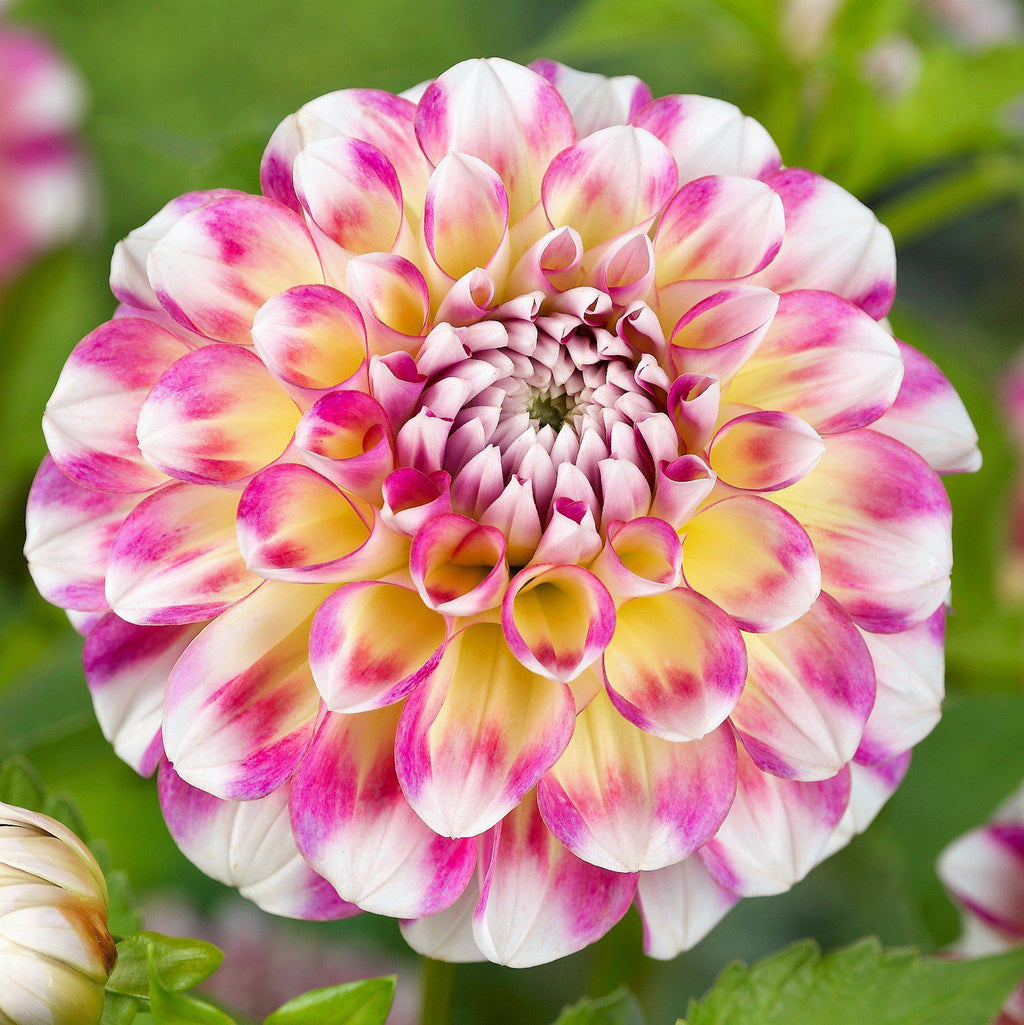
garden seeds hawaii Hawaii Dahlia Bulbs Perennial Growing Bonsai Roots Rhizomes Corms Tubers Potted Planting Reblooming Fragrant Garden Species Blooms Flower Seeds Plant GardeningAbout this item What is Dahlia dahlia, (genus Dahlia), genus of about 40 species of flowering plants in the aster family (Asteraceae), native to the higher elevations of Mexico and Central America. About six of the species in the Dahlia genus have been bred for cultivation as ornamental flowers and are popular in the floral industry and in gardens. The thousands of dahlia cultivars are classed into a variety of types, including single, double, pompon,
-
Where to Plant Dahlia
Dahlia tubers can be planted in beds and borders, as long as they’re given enough space to grow. Specific compact varieties can also be grown in containers and patio pots. They are easy to grow and maintain, perfect for beginners!Position your Dahlias in areas that reach plenty of sunlight. If you worry about a lack of sunlight exposure in your garden, flowerpots can be incredibly helpful. Simply move them to wherever the sun is positioned!
-
How to Plant Dahlia
Borders
1. Soak the tuber in room temperature water for about an hour before planting to rehydrate.
2. If potting on, use a medium to large container that holds the tuber and has space to grow. Do this from March to April, giving the roots plenty of time to grow before summer.
3. When all threat of frost has passed, harden them off by putting the pots outside throughout the day and bringing them indoors in the evening. Do this for a week and then plant them outside.
4. Space each tuber apart by at least 60cm.
5. Place tubers so that the stem where the plant shoots from is at the soil’s surface.
6. Water well and cover with mulch or organic compost to add moisture and nutrients to help it grow big and strong.
If you’re not too fussy about potting your tubers on, you can wait until mid-April to May to plant them directly outside. Although the danger of frost is still present, especially in colder areas of the country, it would not be harsh enough to kill the tuber. Ensure the soil is covered with mulch to keep it warm before it appears in the summer.
Containers
If the Dahlia is compact, like our Dahlia Gallery mixed, it can be planted in containers. Ensure your container has suitable drainage with holes at the bottom and is large enough for the tubers to grow big and strong!
1. Fill the pot with any multi-purpose compost until you’ve reached its halfway point.
2. Add your tuber with the stem pointing to the sky and the tuberous roots downward.
3. Cover with compost, with the stalk just below the soil level.
4. Water every day, especially during hot weather, or when the soil is dry to the touch.
5. Containers can be put directly outside from mid-late May if all threat of frost has passed. Quick tips â€?You could add some slow-release fertiliser granules to the soil while potting, as they will release nutrients to the root every time you water the plant. Although this isn’t necessary, it will ensure that the plant receives plenty of nutrients while in growth. -
When Will They Flower?
Most Dahlias will flower from mid to late June, lasting through to early autumn. If they’re receiving enough sunlight and water, they should thrive throughout the season, giving you months of gorgeous colour.
-
Dahlia Tips & Tricks
Dahlia tubers need to be watered every day, especially when the weather is warm. If its soil is well-drained, this shouldn’t be an issue. Also, if their soil feels quite dry on the surface and a few centimetres below, then give them a nice big douse of water, about half a watering can.
Providing Support
Many Dahlias can end up being top-heavy as their blooms become quite large. This might make them droop. Giving them support with a cane will help them to stand tall. Compact or dwarf varieties do not need support.
What to do once they have finished blooming
After the first big frost in the late autumn or early winter, your Dahlias will die back. At this point, you could either leave them in the ground, which is significantly easier or lift them and store them for the following year. Dahlias aren’t frost-hardy, so leaving them in the ground can be risky and might damage the tuber.
Deadheading
can help redirect the plant’s energy into creating a new flower once the other one has wilted. It also helps to keep the flower bed looking tidy and uniform whilst the others are still in bloom. Simply cut the spent flower with clean shears, just above the leaves.
Storage Tips
Lifting Dahlia tubers will protect it over the winter. Here’s how and where to store them until the following planting season.
1. Wait until the plant has died down and has reached a straw colour (often brown).
2. Cut down the plant to the bottom of the stem and dig up the tuber gently. Shake off any remaining soil.
3. Cut off tubers if damaged, but otherwise leave them intact.
4. Keep them in a cool, dark, dry place, preferably in a dry box or container. If it gets particularly cold, you can cover them with garden fleece or layers of newspaper.
5. From April to May, start the potting on process once again before popping them outside.
Why Seedsplant ?
- Experts in the field
- Family owned and operated - 100 years
- Rigorous quality control
- We strive for your success by offering the bulb size you need
- Affordable quality
Flower Bulb Facts of Life
Bulbs: Beauty In a Bottle:
Bulbs are a natural product. And, as such, follow a natural cycle of growth and rebirth. Enjoying their fabulous flowers means planting ahead in one season then results the next. Bulbs are among the easiest flowers to grow, not only are they affordable, but bulbs offer the most stunning colors available. Even the most novice gardener can create a breathtakingly beautiful spring garden with bulbs.
What's a Bulb?
A flower bulb is really a self-contained flower factory. Within this marvelous little package is nearly everything the flower needs to come to life! Split a bulb open, for instance, and you'll see its baby flower bud, leaves, roots, stem and food supply. All bulbs need from you is to be placed in the ground at the appropriate season of year, given a liberal drink of water then left to work their magic.
Variety:
Flower bulbs come in seemingly limitless varieties which makes them perfectly suitable for any garden design you can dream up.
Is It a bulb ?
The Difference Between Bulbs, Corms, Tubers, Roots,Today, people commonly us the term 'bulb' to refer to any plant that stores its own food underground. But, in truth, many popular 'bulbs' are not true bulbs at all. These include corms, tubers and roots and, while they all produce beautiful flowers, technically the plants are different
When To Plant
In fall, after soil temperatures are below 50ºF/10ºC. These bulbs bloom the following spring and require the cold winter temperatures for development. But let's say winter arrives and your bulbs are still in their bag. Not to worry! Bulbs are pre-programmed to grow so even if you have to plant through snow, plant your bulbs!
How To Plant
Most bulbs thrive in either full or partial sun and in almost any location with good drainage. Avoid planting at the base of hills or under drainage pipes where water collects and will rot the bulbs.
- Dig a hole
- Drop in the bulb
- Water thoroughly
Tips For success
- A larger grouping of flower bulbs are far more fab than just a few planted here and there. Think clumps of color.
- Buy the largest bulbs you can find.
- Note the flowering times. Not all bulbs will bloom at the same time. A little planning will greatly increase the number of months you will enjoy bulb flowers.
Passionate About bulbs
Generally speaking, the best predictor for gardening success is bulb size. Almost always, the larger the initial bulb size planted, the larger and stronger the plants will be, producing more flowers. The first year end result will be noticeable to anyone.The best predictor for gardening success is bulb size.
Shipping
All items are shipped usually within 2 working days (usually sooner) except plug plants. Plants only dispatch Monday-Thursday to avoid problems with live plants sitting in a postal depot over the weekend. During busy periods , due to the nature of product and extra care needed when packing and preparing for post, please allow up to 7 days for delivery (depending on day purchased). Plants are only dispatched when crops are ready to travel , therefore some multi orders may be delivered separately and occasionally it may be necessary to hold back dispatch until plants are ready. Shipping is either via Post or 24/48 Hour courier depending on order size/weight etc. at our discretion. Please be patient when ordering plants as you cannot rush nature. Please be aware delivery dates shown by Seedsplant are estimates only and do not apply to live plant orders. Any orders returned to us by Post or Courier will incur a further postage charge to resend.
Returs
You may return all unopened items within 14 days of delivery for a full refund less P&P charges. Any items received damaged in transit must be notified in writing/email within 24 hours of receipt. Live plants should arrive in perfect condition , If however for some reason they do not please contact us immediately upon receipt. A full refund including original P&P will be made for any items not as described or wrong part no etc. All returns must include your full details with a copy of original receipt. You may cancel any transaction as long as notice is received before item(s) are / have been dispatched.
Contact us
You can message us through Seedsplant messages , otherwise You can write to us by email :[email protected]
Shipping Notes
- Free Standard Shipping on $100+ Orders to the USA.
- Except Preorder products are shipped in 48 hours.
- Delivery to the USA:
- Standard Shipping : 3-10 business days
- If time is of the essence, please consider selecting expedited delivery for faster service.
Exchange/Return Notes
- We offer a 30-day return/exchange service after receiving.
- Final sale items are not eligible for returns or exchanges.
- To process your return/exchange, please contact us at [email protected]
- Please click here for more details>>> Return & Exchange Policy